














Skip to content

Independent Insurance Broker · Boca Raton, FL

Protect the people you love, without the pressure.

I'm John Nightingale. I compare 17+ top-rated carriers to find the right coverage for your family, not the right commission for me. Clear answers, honest advice, zero pressure.

Rated by real families on Google read reviews
  • 20+ years experience
  • 17+ top carriers compared
  • Licensed in 7 states
  • NPN 10308000
John Nightingale, Licensed Insurance Broker in Boca Raton, FL

John Nightingale

Licensed Insurance Broker · NPN 10308000

Comparing 17+ top-rated carriers, including

When carriers compete, you win.

You're not limited to a single carrier or a one-size-fits-all solution. I do the heavy lifting across 17+ companies so you get the best fit at the best rate.

0yrs
of industry experience
0+
top-rated carriers compared
0+
insurance solutions quoted
$0
cost to you, ever

Simple by design

How does working with an independent broker work?

No jargon, no pressure, no obligation. Three steps from curious to covered.

STEP 01

Tell me about your family

A 60-second quote form or a quick call. I learn what you're protecting and what you can comfortably budget.

STEP 02

I shop 17+ carriers

I compare rates and underwriting across top-rated companies and bring you the best two or three fits, explained in plain English.

STEP 03

You choose. I handle the rest.

Application, underwriting, follow-ups: done for you. And I stay your advocate for the life of the policy, not just the sale.

Coverage options

Let's talk options.

Seven ways to protect what matters. Tap any option to see exactly how it works, or answer two quick questions and I'll point you to the right one.

Find My Coverage in 60 Seconds

Term Life Insurance

Big protection. Small premium.

Term life insurance covers you for a fixed period, usually 10, 20, or 30 years, at a locked-in monthly rate. If you pass away during the term, your loved ones receive a tax-free lump sum to replace income, pay off the mortgage, or fund college.

Best for: Young families, homeowners with a mortgage, and anyone who needs maximum coverage for the lowest cost.

Common questions

How much does term life insurance cost?
A healthy 35-year-old can often get $500,000 of 20-year term coverage for under $30/month. Your exact rate depends on age, health, and coverage amount. That's why I compare quotes across 17+ carriers instead of quoting just one.
What happens when my term ends?
Most policies let you renew annually (at higher rates) or convert to permanent coverage without a new medical exam. We'll plan your term length so it ends when your obligations do.
Do I need a medical exam for term life insurance?
Not always. Many carriers now offer no-exam term policies at competitive rates for qualified applicants. I'll tell you upfront which options skip the exam.
How much term life insurance do I need?
A common rule of thumb is 10 to 12 times your annual income, plus your mortgage balance and future costs like college. The right number is personal, which is why my quote process starts with your actual obligations, not a generic multiplier.
Is term life insurance better than whole life?
Neither is better; they do different jobs. Term gives you the most coverage per dollar for a set window of years. Whole life costs more but never expires and builds cash value. Many families use term for the big temporary needs and a smaller permanent policy for final expenses.

Apply for Term Life Insurance online

Whole Life Insurance

Coverage that never expires.

Whole life insurance protects you for your entire life with fixed premiums, a guaranteed death benefit, and cash value that grows tax-deferred. It's the foundation of many estate and legacy plans.

Best for: People who want permanent protection, guaranteed cash value growth, or a tax-efficient way to leave a legacy.

Common questions

Is whole life insurance worth it?
It depends on the job you need it to do. For permanent needs like final expenses, estate planning, and guaranteed legacy, whole life is often the right tool. For temporary income replacement, term is usually cheaper. I'll show you both side by side.
Can I borrow against whole life insurance?
Yes. Your policy's cash value can be borrowed against, typically tax-free, for any purpose, without credit checks or fixed repayment schedules.
How does cash value grow in whole life insurance?
Part of each premium goes into a cash value account that grows at a guaranteed rate, tax-deferred. Many carriers also pay non-guaranteed dividends on top. Growth is slow in early years and compounds meaningfully over time.
Do whole life insurance premiums ever increase?
No. With traditional whole life, your premium is locked in on day one and never rises, regardless of age or health changes. That predictability is one of its biggest advantages.
Can I own both term and whole life insurance?
Yes, and it is often the smartest structure: a larger term policy to cover income replacement and the mortgage years, plus a smaller whole life policy for permanent needs like final expenses and legacy.

Apply for Whole Life Insurance online

Indexed Universal Life (IUL)

Protection plus tax-advantaged growth.

An IUL combines a permanent death benefit with cash value that earns interest based on a market index like the S&P 500, with a floor that protects you from losses in down years. Many families use IULs for tax-advantaged retirement income.

Best for: Higher earners seeking tax-advantaged growth, business owners, and families planning supplemental retirement income.

Common questions

How does an IUL make money?
Your cash value earns interest credited from an index's performance, subject to a cap and a floor (often 0%). You participate in gains without direct market losses. Structure matters enormously: an IUL built for growth looks very different from one built for cheap insurance.
Can I lose money in an IUL?
Your credited interest can't go negative in most designs, but fees and cost of insurance still apply, so a poorly funded IUL can lose value. This is why proper design and funding matter, and why I walk you through a full illustration before you commit.
Is an IUL a good way to save for retirement?
For the right person, yes. A properly funded IUL can provide tax-advantaged supplemental retirement income through policy loans, with no market losses credited to your account. It works best for higher earners who have maxed other tax-advantaged options and can fund it consistently.
What is the difference between an IUL and a 401(k)?
A 401(k) is a pre-tax retirement account invested directly in markets; an IUL is life insurance with cash value tied to an index, a 0% floor, and tax-free access through loans. They complement each other; an IUL is not a replacement for employer matching.
What happens if I stop paying my IUL premiums?
The policy draws its monthly costs from your cash value. With enough cash value it can sustain itself for a while; with too little, it can lapse. This is why funding design matters and why I review policies annually with clients.

Apply for Indexed Universal Life online

Annuities

A paycheck for life.

An annuity converts a portion of your savings into guaranteed income, for a set period or for the rest of your life. It's how you make sure the money lasts as long as you do.

Best for: Pre-retirees and retirees who want predictable income, principal protection, or a safer home for 401(k)/IRA rollovers.

Common questions

Are annuities safe?
Fixed annuities are backed by the claims-paying ability of the issuing insurance carrier, which is why carrier ratings matter. I only work with top-rated carriers and will show you each company's ratings before you decide.
Can I roll my 401(k) or IRA into an annuity?
Yes. Qualified funds can typically roll into an annuity without triggering taxes. Whether you should depends on your income needs, timeline, and risk tolerance. That's a conversation, not a sales pitch.
How much income will an annuity pay me?
It depends on your deposit, age, when income starts, and the payout option you choose. As a rough example, a lifetime income rider often pays 5 to 7 percent of the benefit base annually when started in your late 60s. I will show you exact carrier quotes before you decide anything.
What happens to my annuity when I die?
With most modern annuities, any remaining account value passes directly to your named beneficiaries and skips probate. If protecting heirs is a priority, we simply choose a payout structure that guarantees it.
When can I take money out of an annuity?
Most contracts allow 10 percent free withdrawals each year during the surrender period, and full access after it ends. Withdrawals before age 59 and a half may face a 10 percent IRS penalty, so timing matters.

Apply for Annuities online

Fixed Indexed Annuities (FIA)

Market-linked growth. Zero market losses.

A fixed indexed annuity credits interest based on a market index's performance while guaranteeing you never lose principal to a market downturn. Many include optional lifetime income riders.

Best for: Savers within 10-15 years of retirement who want growth potential without risking what they've already built.

Common questions

What's the difference between an FIA and a variable annuity?
A variable annuity invests directly in the market, so your principal can lose value. An FIA credits interest based on index performance but your principal is protected from market losses. FIAs typically have lower fees as well.
What are the downsides of a fixed indexed annuity?
Growth is capped, and surrender charges apply if you withdraw early beyond the free-withdrawal amount. FIAs reward money you can commit for 5 to 10 years, so I'll make sure the surrender schedule fits your timeline before recommending one.
How does a fixed indexed annuity credit interest?
Each year the carrier measures an index like the S&P 500. If it rose, you are credited interest up to a cap or participation rate. If it fell, you are credited zero rather than losing money. Your credited gains lock in and cannot be taken back.
Is my principal really protected in a fixed indexed annuity?
Yes. Your principal and locked-in gains are contractually protected from market losses, backed by the issuing carrier. That is why I only place FIAs with highly rated companies and show you the ratings first.
Who should not buy a fixed indexed annuity?
Anyone who may need the full balance within the surrender period, wants maximum market upside, or has not built an emergency fund. An FIA rewards patient money. If that is not your situation, I will tell you and suggest something better suited.

Apply for Fixed Indexed Annuities online

Final Expense Insurance

One less burden for the people you love.

Final expense (burial) insurance is a small whole life policy, typically $5,000 to $50,000, designed to cover funeral costs, medical bills, and small debts. Approval is simple, often with no medical exam, and premiums never increase.

Best for: Seniors and anyone who wants to guarantee their final costs are covered without burdening family.

Common questions

Can I get final expense insurance with health problems?
Usually, yes. Most final expense policies use simplified underwriting: a few health questions, no exam. Even with serious conditions, guaranteed-issue options exist. I'll find the strongest option your health qualifies for.
How much does a funeral cost?
The median U.S. funeral with burial runs roughly $8,000-$10,000 before cemetery costs. A final expense policy sized to your wishes means your family never has to come up with that money in a week.
How much does final expense insurance cost per month?
Most clients pay between 30 and 90 dollars per month depending on age, health, gender, and coverage amount. Because I compare multiple final expense carriers, the same coverage can vary by 30 percent or more between companies.
Is there a waiting period for final expense insurance?
If you qualify for level coverage, protection starts on day one. Guaranteed-issue policies with no health questions usually have a two to three year graded period. I always try to qualify you for day-one coverage first.
What is the difference between final expense and regular life insurance?
Final expense is a small whole life policy, usually 5,000 to 50,000 dollars, with simplified approval and no expiration. It is designed to cover funeral and end-of-life costs rather than replace decades of income.

Apply for Final Expense Insurance online

Mortgage Protection

Keep your family in their home. No matter what.

Mortgage protection insurance is life insurance sized and timed to your mortgage. If you pass away, and with many policies if you become disabled or critically ill, the benefit pays your family so the house stays theirs.

Best for: New homeowners, refinancers, and single-income households where the mortgage depends on one paycheck.

Common questions

Is mortgage protection different from the insurance my lender offers?
Yes, and the difference matters: lender-offered coverage typically pays the bank directly and shrinks as your balance drops. The coverage I place pays your family, who can use it for the mortgage or anything else, and the benefit doesn't have to decline.
Do I need mortgage protection if I already have term life?
Maybe not. A properly sized term policy can do the same job. I'll look at what you have and tell you honestly if you're already covered. About a third of the people I meet are.
How much mortgage protection insurance do I need?
At minimum, enough to pay off your current mortgage balance. Many families add a cushion for a year of bills so the surviving spouse is not forced into quick decisions. We size it to your actual loan and budget.
Does mortgage protection cover disability or job loss?
Many policies can include living-benefit or disability riders that make payments if you become disabled or critically ill. Job loss coverage is rare. I will show you which riders are available for your situation and what they cost.
How much does mortgage protection insurance cost?
For a healthy applicant it is often comparable to term life, frequently 40 to 100 dollars per month depending on age, health, mortgage size, and riders. Comparing carriers matters most here because pricing varies widely.

Apply for Mortgage Protection online

ACA Health Insurance

Health coverage that fits your budget.

ACA (Affordable Care Act) Marketplace plans cover doctor visits, hospital care, prescriptions, and preventive services with no denial for pre-existing conditions. Most families qualify for premium subsidies that dramatically lower the monthly cost, and I do the shopping and enrollment for you at no charge.

Best for: Self-employed people, early retirees, families without employer coverage, and anyone who lost group benefits.

Common questions

How much does ACA health insurance cost per month?
After subsidies, many households pay far less than the sticker price, and some qualify for plans under 50 dollars per month. Your cost depends on income, household size, age, and county. I run your subsidy estimate before you apply so there are no surprises.
Can I be denied ACA coverage for a pre-existing condition?
No. Marketplace plans cannot deny you, charge you more, or exclude treatment because of pre-existing conditions, including pregnancy and chronic illness.
When can I enroll in an ACA health plan?
Open Enrollment generally runs November 1 through January 15. Outside that window, life events like losing coverage, moving, getting married, or having a baby open a 60-day Special Enrollment Period. Some lower-income households can enroll year-round.
What do ACA plans actually cover?
Every Marketplace plan covers ten essential benefits, including doctor visits, emergency care, hospitalization, prescriptions, maternity care, mental health services, and free preventive care. The differences between plans are mostly cost-sharing and network.
Does it cost extra to enroll through a broker?
No. My help costs you nothing; brokers are paid by the insurance companies and your premium is identical either way. The difference is you get a human who picks the right plan with you and fights problems for you all year.

Apply for ACA Health Insurance online

ACA Health Insurance application

This secure form connects to your GoHighLevel account and goes live the moment it's linked.

Medicare Plans

Medicare, minus the confusion.

Medicare comes with real choices: Original Medicare with a Supplement (Medigap), Medicare Advantage, and Part D drug coverage. The right answer depends on your doctors, prescriptions, budget, and travel habits. I compare the options side by side and handle enrollment, at no cost to you.

Best for: Anyone turning 65, retiring past 65, or unhappy with their current Medicare Advantage or Supplement plan.

Common questions

What is the difference between Medicare Advantage and a Supplement?
Medicare Advantage (Part C) replaces how you receive Original Medicare, usually with networks, low premiums, and extras like dental. A Supplement (Medigap) works alongside Original Medicare, covering most out-of-pocket costs with nearly any doctor who accepts Medicare, for a higher monthly premium. The right fit depends on your doctors, budget, and travel.
When do I need to sign up for Medicare?
Your Initial Enrollment Period is the seven months around your 65th birthday: three months before, your birthday month, and three months after. Missing it can mean lifelong penalties unless you have qualifying employer coverage. If you are within a year of 65, now is the time to plan.
Does Medicare cover dental, vision, and hearing?
Original Medicare generally does not. Many Medicare Advantage plans include dental, vision, and hearing allowances, and standalone dental plans can fill the gap if you prefer a Supplement. This is one of the biggest factors we compare.
What does Medicare cost per month?
Most people pay the standard Part B premium (set annually by CMS), plus your plan costs: many Advantage plans have low or zero premiums, while Supplements typically run roughly 100 to 300 dollars per month depending on age, area, and plan letter. I lay out your total expected costs, not just premiums.
Can I switch Medicare plans if I am unhappy?
Yes, during the Annual Enrollment Period (October 15 to December 7) and, for Advantage members, the Open Enrollment Period early each year. Some situations allow special elections. A free annual review is exactly what I do for my clients.

We do not offer every plan available in your area. Any information we provide is limited to those plans we do offer in your area. Please contact Medicare.gov or 1-800-MEDICARE to get information on all of your options.

Apply for Medicare Plans online

Medicare Plans application

This secure form connects to your GoHighLevel account and goes live the moment it's linked.

Free · No obligation

How much life insurance do you need?

Find out in about 60 seconds. Answer a few questions and I'll compare options across 17+ carriers, then send you the best choices. Real rates, not teaser numbers.

  • Takes less than a minute, no medical questions upfront
  • Your information stays with me, never sold to lead vendors
  • Coverage options in as little as 5 minutes

Your 60-second quote form

This secure form connects to your GoHighLevel account and goes live the moment it's linked.

Who you'll be working with

Who is John Nightingale?

Portrait of John Nightingale

20+

years protecting families

I'm an independent life insurance broker with over 20 years in the industry. I help families, individuals, and business owners protect their future by comparing multiple top-rated carriers and finding the right fit for each situation, not pushing one company's products. My goal is to make life insurance simple and stress-free, so you can feel confident your loved ones are protected.

Proudly serving families across Boca Raton, Miami-Dade County, and the greater Miami- Ft. Lauderdale area.

Licenses & qualifications

  • Licensed in: Florida, Iowa, Minnesota, Washington, South Carolina, California, Oklahoma
  • National Producer Number: 10308000
  • 20+ years of experience
  • Access to 17+ top-rated carriers

Why clients choose me

  • I shop multiple carriers to find your best fit
  • Straightforward advice with no pressure
  • Fast quotes and a simple, guided process
  • Support for the life of your policy

Real reviews, straight from Google

What are clients in Boca Raton saying?

These reviews come directly from my Google Business Profile. I can't edit them, and I wouldn't want to.

My gift to you

Free planning resources, no strings attached

Whether we ever work together or not, these will help you protect your family.

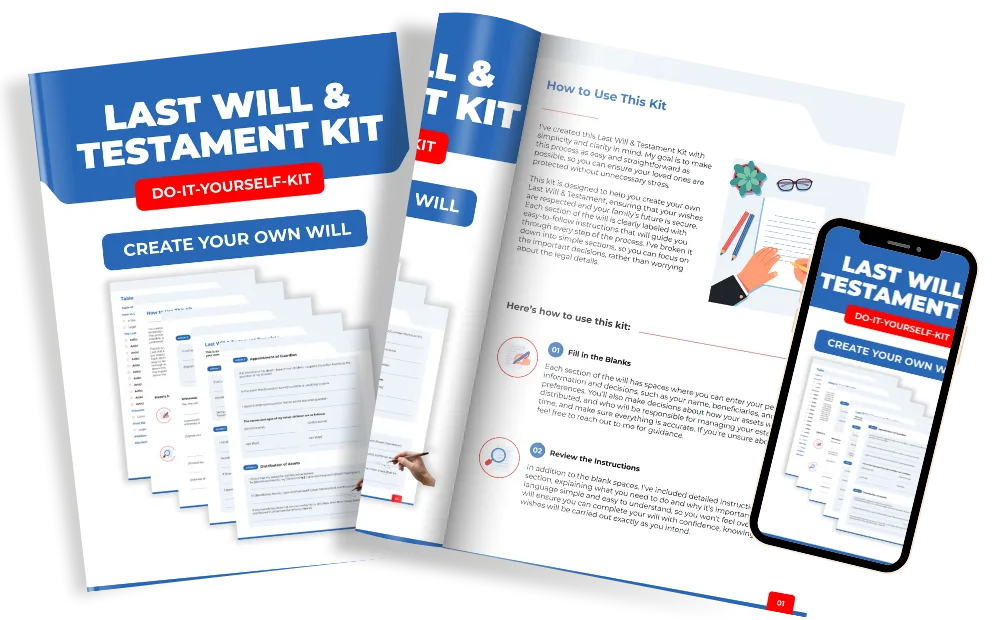
Free Last Will & Testament Kit cover

Free Last Will & Testament Kit

A simple, step-by-step kit to organize your wishes and protect your loved ones. No cost, no strings.

Free Inflation Guide cover

Free Inflation Guide

How inflation quietly eats retirement savings, and the strategies that protect against it.

Zero pressure. Ever.

Book a Free Consultation

Pick a time that works for you. Ask questions, compare options, get straight answers. If I'm not the right fit, I'll tell you and point you in the right direction anyway.

Most requests get a same-day response

Prefer to talk right now? Call or text (561) 287-3456

Good questions

Frequently asked questions

Pick a topic. Straight answers, no jargon.

Does it cost anything to work with an independent broker?
No. My compensation comes from the insurance carrier you choose, and it doesn't change your premium. You pay the same price working with me as you would going direct. The difference is I compare 17+ companies for you instead of one.
How fast can I get covered?
Some no-exam policies can be approved in days, occasionally the same day. Fully underwritten policies typically take 2 to 6 weeks. On our first call I can tell you which path fits your situation and timeline.
Do I have to take a medical exam?
Not always. Many carriers offer accelerated underwriting with no exam for qualified applicants. If an exam does apply, it's free, quick, and can be done at your home.
What if I already have life insurance through work?
Group coverage is a great start, but it usually ends when the job does and is rarely enough, since most policies cap at 1 to 2 times your salary. A personal policy stays with you regardless of where you work. I'll review what you have for free and tell you honestly if you're already set.
Which areas do you serve?
I work with clients across Boca Raton, Miami-Dade County, and the greater Miami- Ft. Lauderdale area, and I'm licensed in Florida, Iowa, Minnesota, Washington, South Carolina, California, Oklahoma. Most consultations happen right over the phone or Zoom.
How much does term life insurance cost?
A healthy 35-year-old can often get $500,000 of 20-year term coverage for under $30/month. Your exact rate depends on age, health, and coverage amount. That's why I compare quotes across 17+ carriers instead of quoting just one.
What happens when my term ends?
Most policies let you renew annually (at higher rates) or convert to permanent coverage without a new medical exam. We'll plan your term length so it ends when your obligations do.
Do I need a medical exam for term life insurance?
Not always. Many carriers now offer no-exam term policies at competitive rates for qualified applicants. I'll tell you upfront which options skip the exam.
How much term life insurance do I need?
A common rule of thumb is 10 to 12 times your annual income, plus your mortgage balance and future costs like college. The right number is personal, which is why my quote process starts with your actual obligations, not a generic multiplier.
Is term life insurance better than whole life?
Neither is better; they do different jobs. Term gives you the most coverage per dollar for a set window of years. Whole life costs more but never expires and builds cash value. Many families use term for the big temporary needs and a smaller permanent policy for final expenses.
Is whole life insurance worth it?
It depends on the job you need it to do. For permanent needs like final expenses, estate planning, and guaranteed legacy, whole life is often the right tool. For temporary income replacement, term is usually cheaper. I'll show you both side by side.
Can I borrow against whole life insurance?
Yes. Your policy's cash value can be borrowed against, typically tax-free, for any purpose, without credit checks or fixed repayment schedules.
How does cash value grow in whole life insurance?
Part of each premium goes into a cash value account that grows at a guaranteed rate, tax-deferred. Many carriers also pay non-guaranteed dividends on top. Growth is slow in early years and compounds meaningfully over time.
Do whole life insurance premiums ever increase?
No. With traditional whole life, your premium is locked in on day one and never rises, regardless of age or health changes. That predictability is one of its biggest advantages.
Can I own both term and whole life insurance?
Yes, and it is often the smartest structure: a larger term policy to cover income replacement and the mortgage years, plus a smaller whole life policy for permanent needs like final expenses and legacy.
How does an IUL make money?
Your cash value earns interest credited from an index's performance, subject to a cap and a floor (often 0%). You participate in gains without direct market losses. Structure matters enormously: an IUL built for growth looks very different from one built for cheap insurance.
Can I lose money in an IUL?
Your credited interest can't go negative in most designs, but fees and cost of insurance still apply, so a poorly funded IUL can lose value. This is why proper design and funding matter, and why I walk you through a full illustration before you commit.
Is an IUL a good way to save for retirement?
For the right person, yes. A properly funded IUL can provide tax-advantaged supplemental retirement income through policy loans, with no market losses credited to your account. It works best for higher earners who have maxed other tax-advantaged options and can fund it consistently.
What is the difference between an IUL and a 401(k)?
A 401(k) is a pre-tax retirement account invested directly in markets; an IUL is life insurance with cash value tied to an index, a 0% floor, and tax-free access through loans. They complement each other; an IUL is not a replacement for employer matching.
What happens if I stop paying my IUL premiums?
The policy draws its monthly costs from your cash value. With enough cash value it can sustain itself for a while; with too little, it can lapse. This is why funding design matters and why I review policies annually with clients.
Are annuities safe?
Fixed annuities are backed by the claims-paying ability of the issuing insurance carrier, which is why carrier ratings matter. I only work with top-rated carriers and will show you each company's ratings before you decide.
Can I roll my 401(k) or IRA into an annuity?
Yes. Qualified funds can typically roll into an annuity without triggering taxes. Whether you should depends on your income needs, timeline, and risk tolerance. That's a conversation, not a sales pitch.
How much income will an annuity pay me?
It depends on your deposit, age, when income starts, and the payout option you choose. As a rough example, a lifetime income rider often pays 5 to 7 percent of the benefit base annually when started in your late 60s. I will show you exact carrier quotes before you decide anything.
What happens to my annuity when I die?
With most modern annuities, any remaining account value passes directly to your named beneficiaries and skips probate. If protecting heirs is a priority, we simply choose a payout structure that guarantees it.
When can I take money out of an annuity?
Most contracts allow 10 percent free withdrawals each year during the surrender period, and full access after it ends. Withdrawals before age 59 and a half may face a 10 percent IRS penalty, so timing matters.
What's the difference between an FIA and a variable annuity?
A variable annuity invests directly in the market, so your principal can lose value. An FIA credits interest based on index performance but your principal is protected from market losses. FIAs typically have lower fees as well.
What are the downsides of a fixed indexed annuity?
Growth is capped, and surrender charges apply if you withdraw early beyond the free-withdrawal amount. FIAs reward money you can commit for 5 to 10 years, so I'll make sure the surrender schedule fits your timeline before recommending one.
How does a fixed indexed annuity credit interest?
Each year the carrier measures an index like the S&P 500. If it rose, you are credited interest up to a cap or participation rate. If it fell, you are credited zero rather than losing money. Your credited gains lock in and cannot be taken back.
Is my principal really protected in a fixed indexed annuity?
Yes. Your principal and locked-in gains are contractually protected from market losses, backed by the issuing carrier. That is why I only place FIAs with highly rated companies and show you the ratings first.
Who should not buy a fixed indexed annuity?
Anyone who may need the full balance within the surrender period, wants maximum market upside, or has not built an emergency fund. An FIA rewards patient money. If that is not your situation, I will tell you and suggest something better suited.
Can I get final expense insurance with health problems?
Usually, yes. Most final expense policies use simplified underwriting: a few health questions, no exam. Even with serious conditions, guaranteed-issue options exist. I'll find the strongest option your health qualifies for.
How much does a funeral cost?
The median U.S. funeral with burial runs roughly $8,000-$10,000 before cemetery costs. A final expense policy sized to your wishes means your family never has to come up with that money in a week.
How much does final expense insurance cost per month?
Most clients pay between 30 and 90 dollars per month depending on age, health, gender, and coverage amount. Because I compare multiple final expense carriers, the same coverage can vary by 30 percent or more between companies.
Is there a waiting period for final expense insurance?
If you qualify for level coverage, protection starts on day one. Guaranteed-issue policies with no health questions usually have a two to three year graded period. I always try to qualify you for day-one coverage first.
What is the difference between final expense and regular life insurance?
Final expense is a small whole life policy, usually 5,000 to 50,000 dollars, with simplified approval and no expiration. It is designed to cover funeral and end-of-life costs rather than replace decades of income.
Is mortgage protection different from the insurance my lender offers?
Yes, and the difference matters: lender-offered coverage typically pays the bank directly and shrinks as your balance drops. The coverage I place pays your family, who can use it for the mortgage or anything else, and the benefit doesn't have to decline.
Do I need mortgage protection if I already have term life?
Maybe not. A properly sized term policy can do the same job. I'll look at what you have and tell you honestly if you're already covered. About a third of the people I meet are.
How much mortgage protection insurance do I need?
At minimum, enough to pay off your current mortgage balance. Many families add a cushion for a year of bills so the surviving spouse is not forced into quick decisions. We size it to your actual loan and budget.
Does mortgage protection cover disability or job loss?
Many policies can include living-benefit or disability riders that make payments if you become disabled or critically ill. Job loss coverage is rare. I will show you which riders are available for your situation and what they cost.
How much does mortgage protection insurance cost?
For a healthy applicant it is often comparable to term life, frequently 40 to 100 dollars per month depending on age, health, mortgage size, and riders. Comparing carriers matters most here because pricing varies widely.
How much does ACA health insurance cost per month?
After subsidies, many households pay far less than the sticker price, and some qualify for plans under 50 dollars per month. Your cost depends on income, household size, age, and county. I run your subsidy estimate before you apply so there are no surprises.
Can I be denied ACA coverage for a pre-existing condition?
No. Marketplace plans cannot deny you, charge you more, or exclude treatment because of pre-existing conditions, including pregnancy and chronic illness.
When can I enroll in an ACA health plan?
Open Enrollment generally runs November 1 through January 15. Outside that window, life events like losing coverage, moving, getting married, or having a baby open a 60-day Special Enrollment Period. Some lower-income households can enroll year-round.
What do ACA plans actually cover?
Every Marketplace plan covers ten essential benefits, including doctor visits, emergency care, hospitalization, prescriptions, maternity care, mental health services, and free preventive care. The differences between plans are mostly cost-sharing and network.
Does it cost extra to enroll through a broker?
No. My help costs you nothing; brokers are paid by the insurance companies and your premium is identical either way. The difference is you get a human who picks the right plan with you and fights problems for you all year.
What is the difference between Medicare Advantage and a Supplement?
Medicare Advantage (Part C) replaces how you receive Original Medicare, usually with networks, low premiums, and extras like dental. A Supplement (Medigap) works alongside Original Medicare, covering most out-of-pocket costs with nearly any doctor who accepts Medicare, for a higher monthly premium. The right fit depends on your doctors, budget, and travel.
When do I need to sign up for Medicare?
Your Initial Enrollment Period is the seven months around your 65th birthday: three months before, your birthday month, and three months after. Missing it can mean lifelong penalties unless you have qualifying employer coverage. If you are within a year of 65, now is the time to plan.
Does Medicare cover dental, vision, and hearing?
Original Medicare generally does not. Many Medicare Advantage plans include dental, vision, and hearing allowances, and standalone dental plans can fill the gap if you prefer a Supplement. This is one of the biggest factors we compare.
What does Medicare cost per month?
Most people pay the standard Part B premium (set annually by CMS), plus your plan costs: many Advantage plans have low or zero premiums, while Supplements typically run roughly 100 to 300 dollars per month depending on age, area, and plan letter. I lay out your total expected costs, not just premiums.
Can I switch Medicare plans if I am unhappy?
Yes, during the Annual Enrollment Period (October 15 to December 7) and, for Advantage members, the Open Enrollment Period early each year. Some situations allow special elections. A free annual review is exactly what I do for my clients.

Ready to protect what matters most?

Get a quote in 60 seconds, start your application, or book a free call. Whichever feels right.

Prefer to talk? Call or text (561) 287-3456